




|

|

|

|
X
| Create Admin : | |
| Edit Admin : | |
X

 X
X
Find a city and a date
Which city and date do you want to travel ?
X
Photo session
We will inform you about the availability and the session with our photographer
X
Enjoy!
In 3 to 5 business days we will share the photos
| Create How It Works : | |
| Edit How It Works : | |
X
Find a city and a date
Which city and date do you want to travel ?
X
Photo session
We will inform you about the availability and the session with our photographer
X
Enjoy!
In 3 to 5 business days we will share the photos
X
X
01
X
02
X
11
X
12
X
13
X
14
X
15
X
16
X
21
X
22
X
23
X
24
X
31
X
32
X
33
X
34
| Create Photo : | |
| Status : | |
| Edit Photo : | |
X
X
X
X
X
X
X
X
X
X
X
X
X
X
X
X
X
X
Nydia

"It is going to be hard to pick my favorite photos with so many good ones to choose from"
X
Jonathan & Catherine

"They are definitely show us how important it is to capture memories"
X
Kelvin & Imelda

"It is been so lovely to see our memory taken by them, their photos are gonna be a worth return ticket to the past!"
X
Rina

"The photographer, Jerry was sooo friendly, he even told us which food was the best in the city! I’m definitely gonna pay a visit again somedays!"
| Create Testimonial : | |
| Status : | |
| Edit Testimonial : | |
X
Nydia
"It is going to be hard to pick my favorite photos with so many good ones to choose from"
X
Jonathan & Catherine
"They are definitely show us how important it is to capture memories"
X
Kelvin & Imelda
"It is been so lovely to see our memory taken by them, their photos are gonna be a worth return ticket to the past!"
X
Rina
"The photographer, Jerry was sooo friendly, he even told us which food was the best in the city! I’m definitely gonna pay a visit again somedays!"
X
X
Slider 1
X
Slider 2
X
Slider 3
X
Slider 4
X
Slider 5
| Create Slider Item : | |
| Status : | |
| Edit Slider Item : | |
X
X
X
X
X
X
X
(Left)
WE ARE CREATIVE
We capture your moments in the way that even words cannot explain. Who needs words when you got pictures?
X
(Left)
WE ARE PHOTOGRAPHY
Photography is our passion. We will make sure we share our passion with you by providing ONLY a talented photographer
X
(Left)
WE LOVE FEEDBACK
Is there anything have you ever dreamt of for your holiday? Wedding proposal? Any special events? Share with us and we are about to make it happen.
X
(Right)
WE ARE WORTH IT
When it comes to price, we are certain that our service is well worth trying
X
(Right)
WE CONNECT PEOPLE
We believe that our service is a long-term proposition. We want you to feel comfortable enough to use our service repeatedly over the years. Do not hesitate to ask for anything from our photographers. They will do their best to help.
X
(Right)
WE ARE EVERYWHERE
We are Mr. And Mrs. Worldwide. Tell u which place you want to go and we will make it happen for you
| Create Why Us ? : | |
| Edit Why Us ? : | |
X
(Left)
WE ARE CREATIVE
We capture your moments in the way that even words cannot explain. Who needs words when you got pictures?
X
(Left)
WE ARE PHOTOGRAPHY
Photography is our passion. We will make sure we share our passion with you by providing ONLY a talented photographer
X
(Left)
WE LOVE FEEDBACK
Is there anything have you ever dreamt of for your holiday? Wedding proposal? Any special events? Share with us and we are about to make it happen.
X
(Right)
WE ARE WORTH IT
When it comes to price, we are certain that our service is well worth trying
X
(Right)
WE CONNECT PEOPLE
We believe that our service is a long-term proposition. We want you to feel comfortable enough to use our service repeatedly over the years. Do not hesitate to ask for anything from our photographers. They will do their best to help.
X
(Right)
WE ARE EVERYWHERE
We are Mr. And Mrs. Worldwide. Tell u which place you want to go and we will make it happen for you
X
X
PORTRAIT (1 PAX)
(IDR)
300.000 / hour (50$)
X
FAMILY OR GROUP PHOTO (5 PAX)
(IDR)
500.000 / hour (70$)
X
PRE-WEDDING
(IDR)
800.000 / hour (100$)
X
Brand, Product, Etc
(IDR)
2.500.000 / Session (5 hours)
| Create Pricing Plan : | |
| Edit Pricing Plan : | |
X
PORTRAIT (1 PAX)
(IDR)
300.000 / hour (50$)
X
FAMILY OR GROUP PHOTO (5 PAX)
(IDR)
500.000 / hour (70$)
X
PRE-WEDDING
(IDR)
800.000 / hour (100$)
X
Brand, Product, Etc
(IDR)
2.500.000 / Session (5 hours)
X
X
X
ESPRESSO BASED HOT
(EBH)
(Active)
X
ESPRESSO BASED ICE
(EBC)
(Active)
X
SINGLE ORIGIN MANUAL BREW
(SOMB)
(Active)
X
AYAM PENYET
(AP)
(Active)
| Create Category : | |
| Edit Category : | |
X
ESPRESSO BASED HOT
(EBH)
(Active)
X
ESPRESSO BASED ICE
(EBC)
(Active)
X
SINGLE ORIGIN MANUAL BREW
(SOMB)
(Active)
X
AYAM PENYET
(AP)
(Active)
X
X
1
X
2
X
3
X
4
X
5
| Create Gallery : | |
| Status : | |
| Edit Gallery : | |
X
X
X
X
X
X
X
ESPRESSO SINGLE SHOT
X
ESPRESSO DOUBLE SHOT
X
LONG BLACK / AMERICANO
X
MACCHIATO
X
MACCHIATO CARAMEL
X
CAPPUCINO
X
LATTE
X
TUBRUK
X
AEROPRESS
X
V 60
X
KALITA
X
CEMEX
X
VIETNAM DRIP (HOT)
X
VIETNAM DRIP (ICE)
X
SYPHON
X
ES KOPI BUATAN MANTAN
X
LONG BLACK / AMERICANO ICE
X
CAPPUCINO ICE
X
AFFOGATO
X
VANILLA LATTE ICE
X
LATTE ICE
X
HAZELNUT ICE
X
TIRAMISU LATTE ICE
X
CARAMEL LATTE ICE
X
AYAM PENYET BUMBU KOPI
X
AYAM PENYET SAUS KOPI
X
AYAM PENYET SAMBAL MATAH BALI
X
AYAM PENYET SAMBAL HOT
X
AYAM PENYET TELUR ASIN
X
AYAM PENYET SAMBAL TOM YAM
X
AYAM PENYET MOZZARELLA MELER
| Create Product : | |
| Status : | |
| Edit Product : | |
X
X
X
X
X
X
X
X
X
X
X
X
X
X
X
X
X
X
X
X
X
X
X
X
X
X
X
X
X
X
X
X
| Create Detail Portfolio : | |
| Status : | |
| Edit Detail Portfolio : | |
| Send Message : | |
making coffee drinks & roasted beans since july 2015

SABAK



SABAK: CULTIVATING MEANINGFUL LESSONS OVER TIME
Rooted in the languages of Urdu, Persian, and Hindi, where "SABAK" literally translates to "LESSON," the name encapsulates our fundamental value: a dedication to continuous growth and knowledge acquisition.
In the time of Sumatra’s ancient kingdoms, the Muara Sabak region—nestled on the Batanghari river—was an essential trade and transport corridor. It linked the island`s gold-rich interior to the open ocean, fostering a powerful center of civilization and maritime strength. Serving as the economic and social artery, Muara Sabak facilitated the flow of goods and people up and down the river, cementing its position as a major economic driver for Sumatra island.
Muara Sabak was a center of civilization, trade, and society. Where there was advanced trade and civilization, there were often centers of religion, literature, and education. Muara Sabak is an ancient toponym that likely predates the current name "Jambi" for the region.
HUMBLE BEGINNINGS, CONSISTENT PASSION
SABAK began as a personal hobby in 2000: brewing coffee after work hours during an assignment in Jambi Province. In Muara Sabak, the capital of East Tanjung Jabung Regency, we crafted coffee not just for enjoyment but to explore and learn.
From the start, SABAK embraced the richness of Jambi’s coffee regions, including:
- Arabica coffee from Kerinci Regency
- Robusta coffee from Merangin Regency
- Liberica coffee from East Tanjung Jabung Regency and West Tanjung Jabung Regency
Over time, we expanded across Indonesia, offering diverse coffees with unique flavor profiles shaped by each island’s volcanic soils.
HISTORY OF COFFEE`S INTRODUCTION TO JAMBI
1. Arabica Coffee (Kerinci Regency)
- Importation/Expansion Period: Late 19th to early 20th century (widespread in Sumatran highlands post-1880s, with significant smallholder cultivation in Kerinci around the 1910s–1920s).
- Background: Arabica (scientific name: Coffea Arabica, primarily Typica lineage) was first introduced to Indonesia (Java) by the Dutch in 1699. It expanded to Sumatran highlands in the late 19th century after leaf rust devastated lowland Arabica crops elsewhere. Surviving or replanted Typica varieties persisted in higher elevations resistant to the disease.
- Reason for Kerinci: The Kerinci highlands (above 1,000–1,500 meters, surrounding Mount Kerinci and Kerinci Seblat National Park) offer volcanic soil, cool temperatures, and high elevation ideal for Arabica. Cultivation was encouraged under colonial systems and later adopted by local communities and smallholders. Modern Kerinci Arabica remains renowned for its quality.
2. Robusta Coffee (Merangin Regency)
- Importation Period: Early 20th century (nationally introduced ~1900–1907; spread to smallholders in southern Sumatra, including areas near Kerinci, around 1915–1920s).
- Background: Robusta (scientific name: Coffea Canephora) was introduced to Indonesia around 1900–1907 as a highly disease-resistant replacement after Arabica suffered from leaf rust.
- Reason for Merangin: Merangin`s mid-elevation hilly terrain and climate suit Robusta`s preference for lower altitudes (below 1,000 meters), warmer conditions, and higher yields with easier maintenance and pest resistance. It quickly became a key commodity for local smallholder farmers.
3. Liberica Coffee (East Tanjung Jabung & West Tanjung Jabung Regencies)
- Introduction Period: National introduction late 19th century (~1875–1890s); local establishment in Jambi`s coastal lowlands likely early to mid-20th century (documented arrival in the 1940s via local traders).
- Background: Liberica (scientific name: Coffea Liberica) was introduced by the Dutch nationally in the late 19th century as an initial replacement for rust-devastated Arabica (more resistant than Arabica but less so than later Robusta). It gained traction in lowlands but was largely superseded by Robusta elsewhere. In Jambi, it is known as "Libtukom" (Liberika Tungkal Komposit) or "kopi nangka" (jackfruit coffee) due to its flavor and large beans.
- Reason for Tanjung Jabung: These coastal lowland and peatland areas (wet, acidic, waterlogged soils) are unsuitable for Arabica or most Robusta but ideal for Liberica`s exceptional tolerance to flooding, peat, and harsh lowland conditions. It thrives here as a resilient crop for smallholders.
BECOMING A LEGAL BUSINESS ENTITY
In 2012, "SABAK" became an umbrella for logistics agents to strengthen its marketing and distribution channels. In 2015, as a legally registered business entity, "SABAK" was officially established in BSD City, South Tangerang, where we began roasting coffee more systematically, while maintaining our passion for brewing coffee outside of business hours.
To increase production, we acquired a coffee roasting machine imported from Vietnam.
THE BEE LOGO: A SYMBOL OF OUR PHILOSOPHY
SABAK chose the BEE as its logo and central symbol: a representation of profound meaning. Beyond producing honey, bees are wise teachers, embodying intelligence, collaboration, and adaptability.
What Can We Learn from the Bee ?
1. Intellectual Intelligence (IQ): Learning from Experience
Bees memorize the best flower sources and share this knowledge through the waggle dance, a strategic communication method that showcases their ability to analyze, plan, and solve problems.
2. Emotional Intelligence (EQ): Strong Teamwork
In highly organized colonies, bees work in harmony, reflecting the value of empathy, collaboration, and emotional regulation in achieving shared goals.
3. Spiritual Intelligence (SQ): Seeking and Creating Meaning
Bees live in harmony with nature, taking without destroying, making collective decisions for their colony’s survival, and creating value that benefits other beings. Despite their small brains, they navigate vast distances using the sun as a compass. Similarly, we believe humans find purpose through a guiding light, such as a higher purpose or Divine guidance.
SABAK’s Philosophy: “NEVER STOP LEARNING !”
At SABAK, we see learning as a lifelong journey. Whether selecting the finest coffee beans, roasting with precision, brewing heartfelt cups, or making strategic business decisions, we grow in harmony with nature and our communities.
Whenever you see a "BEE", remember:
“Size is no barrier to greatness. Through continuous learning, perseverance, and teamwork, extraordinary results are possible.”
Let’s keep brewing lessons, one cup at a time.


Discover menu
Delicious Drinks and FoodsCoffee lovers love the aroma of coffee especially in the morning
because coffee has a way to brighten moods.

- ESPRESSO BASED HOT
- ESPRESSO BASED ICE
- SINGLE ORIGIN MANUAL BREW
- AYAM PENYET
-

ESPRESSO SINGLE SHOT — 15K
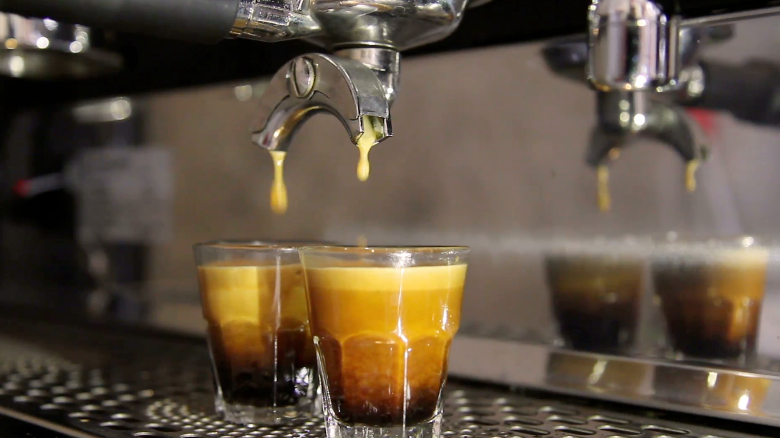
ESPRESSO DOUBLE SHOT — 18K

LONG BLACK / AMERICANO — 22K

MACCHIATO — 22K

MACCHIATO CARAMEL — 22K

CAPPUCINO — 25K

LATTE — 25K

TUBRUK — 18K
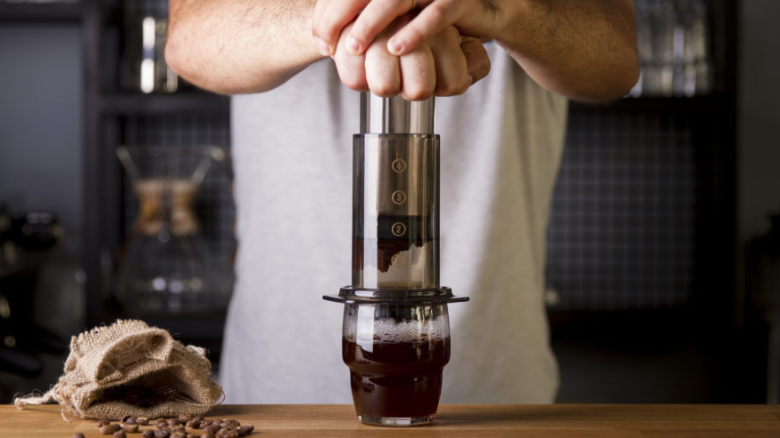
AEROPRESS — 20K

V 60 — 20K
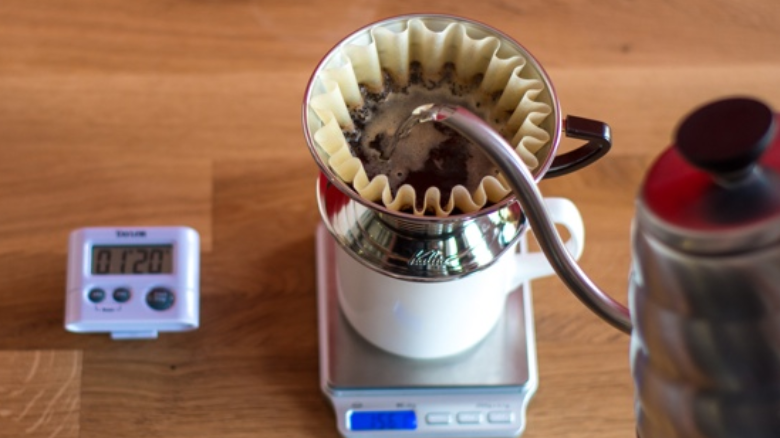
KALITA — 20K

CEMEX — 20K

VIETNAM DRIP (HOT) — 22K

VIETNAM DRIP (ICE) — 24K

SYPHON — 25K

ES KOPI BUATAN MANTAN — 20K

LONG BLACK / AMERICANO ICE — 24K
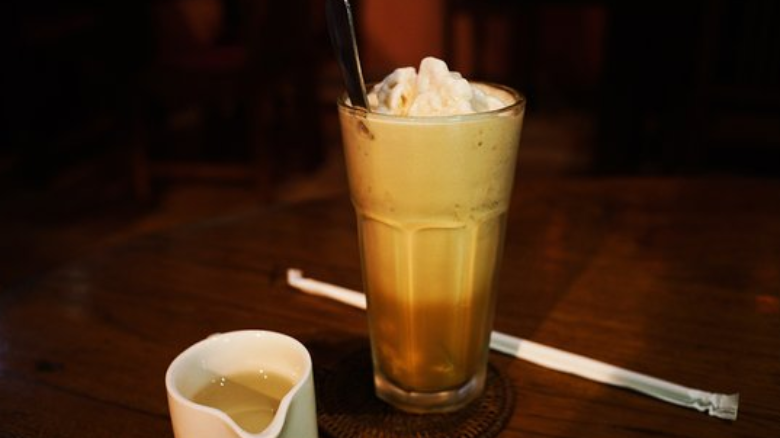
CAPPUCINO ICE — 27K

AFFOGATO — 27K

VANILLA LATTE ICE — 28K

LATTE ICE — 28K

HAZELNUT ICE — 28K

TIRAMISU LATTE ICE — 28K
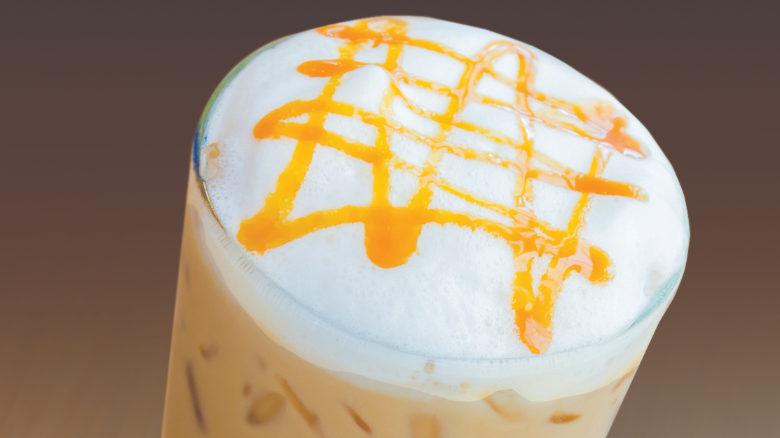
CARAMEL LATTE ICE — 28K

AYAM PENYET BUMBU KOPI — 25K

AYAM PENYET SAUS KOPI — 25K
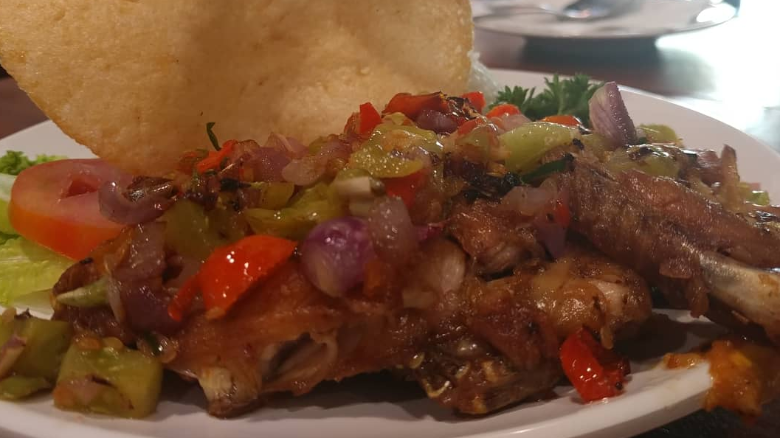
AYAM PENYET SAMBAL MATAH BALI — 25K

AYAM PENYET SAMBAL HOT — 25K

AYAM PENYET TELUR ASIN — 25K

AYAM PENYET SAMBAL TOM YAM — 25K

AYAM PENYET MOZZARELLA MELER — 28K

-
Nydia
"It is going to be hard to pick my favorite photos with so many good ones to choose from" -
Jonathan & Catherine
"They are definitely show us how important it is to capture memories" -
Kelvin & Imelda
"It is been so lovely to see our memory taken by them, their photos are gonna be a worth return ticket to the past!" -
Rina
"The photographer, Jerry was sooo friendly, he even told us which food was the best in the city! I’m definitely gonna pay a visit again somedays!"

Reservasi Tempat
Anda dapat melakukan reservasi tempat kami untuk acara Arisan, Training, Meeting, Private Party, Products Launching, Press Conference, Entertainment, dll.. atau hanya untuk sekedar hangout menikmati makanan-minuman kami saja..
Silahkan hubungi kami melalui nomor telepon yang tertera pada bagian kontak kami.


get in touch with us
Feel free to ask us anything for further information! We are happy to assist you.
Serpong Greenview Apartment, Cottonwood Tower, Ruko No.1-2, Jalan Lengkong Gudang Timur Raya, BSD City, Serpong, Tangerang Selatan, Banten 15321, Indonesia
(+62) 813 1146 4911info[at]sabak.coffee